“Our care homes are places for people to live and enjoy quality of life.
“It used to be that people went from their own homes to die in hospital, or they would be living in one of our care homes but would be transferred to hospital to spend their last days.
“Over the past decade, people have been enabled and encouraged to make more of a decision as to where they wanted to die. Across social care, we developed more of an oversight into palliative care and end of life care needs, learning from nursing teams about how we could support residents’ end of life journey, also their families and friends through this period of loss.
“Since then, we have undertaken training work with local hospices like Mountbatten Hampshire and Winchester Hospice, as well as through our own internal sources, drawing on colleagues’ experiences or specialities.
Holistic:
“End of life care used to have a clinical approach, but now, we have also introduced a holistic wellbeing approach. Through this, we ensure that people’s wishes are recorded and honoured. When residents move into their last weeks or days of life, we provide a homely environment as well as managing any symptoms of pain or distress.
“People live longer, meaning they often have a lot more frailty and complex issues in later life.
“With end of life care, we could be caring for a resident who has experience a slow decline in health, giving us more time to get to know that person and their family. Then increasingly, people are coming to us for the last days of their lives when their families trust you to make their passing as comfortable as possible.
Peaceful:
“How someone spends their last days is entirely down to that person. We offer them a peaceful setting with companionship; or some people like to be alone, but as they do not like silence, they have music in the background.
“At Otterbourne Hill, we can support their spiritual needs. We ensure these are clearly documented, working with community faith leaders whenever requested. We support families and friends, including offering overnight accommodation wherever possible.
“Talking about failing health and end of life care can be really difficult but working with our GP colleagues, we encourage all our care and nursing teams to have open conversations where a resident and their family wish to do so.
“Supporting the families is very much part of the process. We know it is hard sometimes to talk about dying and knowing when the time is right to do so. It is all about finding that balance, then being transparent, open and honest with relatives.
“But we do need to be really clear on how we move forward at this time as we do not want anything to be difficult or challenging for the resident and their family.
“We also need to be mindful of other people, especially residents, who may be affected by someone’s death and feeling vulnerable.
Empathic:
“Death can also be difficult for our colleagues as some of our residents will have had an impact on them. Often, you spend more time with residents than with your own families, so we have to remain as resilient and empathetic as we can.
“However, we get a sense of fulfilment knowing we have done everything we can to make a person’s last days as comfortable as possible. Relatives get that sense of peace because they know you are doing everything you can.
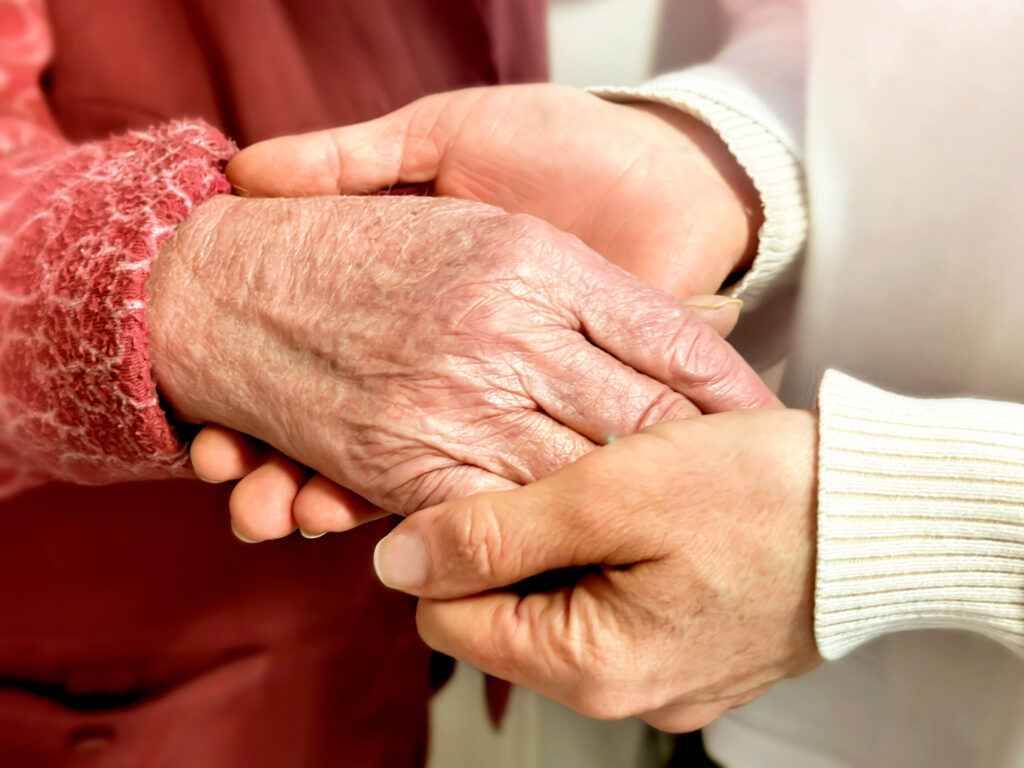
“It takes the worry away from them and they can concentrate spending precious time with their loved one.”